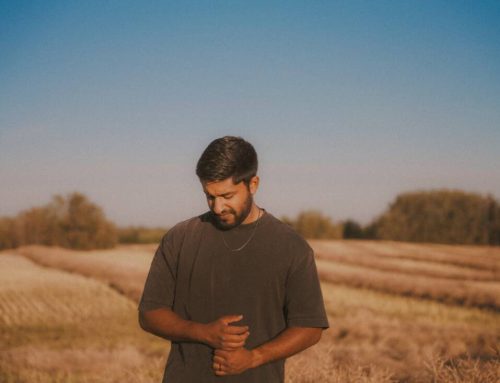
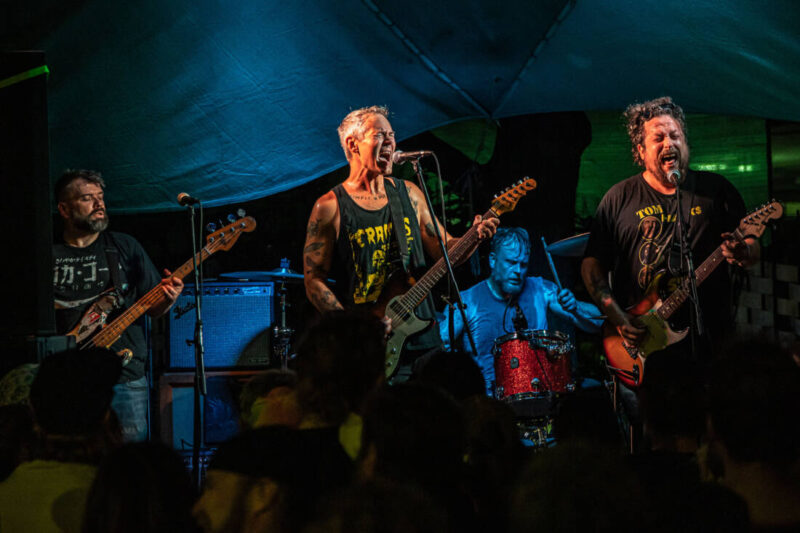
I recently caught up with Isaac Thotz of The Arrivals, and it honestly felt like picking up right where things left off—even though, technically, it’s been about 15 years. And somewhere in that conversation—between the music, the stories, and everything that’s shaped this record—I found myself already thinking about the kitchen, about the Sicilian pizza this one would turn into. But more on that in a bit.
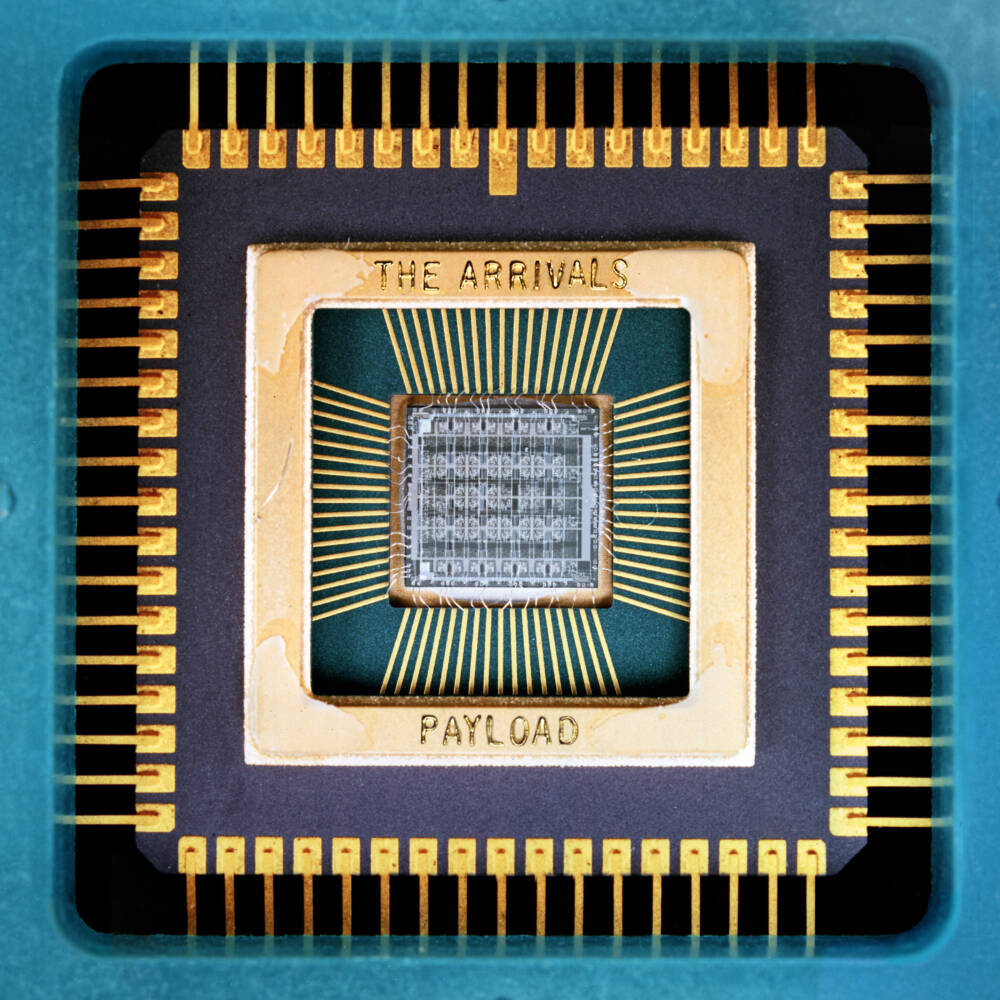
Their new album Payload drops Friday, April 17, via Recess Records, marking their first full-length release since Volatile Molotov back in 2010. And somehow, after all that time, it doesn’t feel like a comeback—it just feels like them. Like they stepped back into the studio and everything clicked into place. And clearly, people are feeling it. Early reactions have been strong across the board—critics calling it everything from “punk rock gold” to one of their best records to date, with a lot of emphasis on how relevant it feels right now. I started with “Just Like My Brother,” the first single, and then made my way through “Drill Baby Drill.” Their latest video for “January 7th,” has visuals built around protest photography by Dave Decker, documenting ICE demonstrations in places like Broadview, Illinois, and Minneapolis—real communities taking to the streets in response to federal immigration enforcement. It gives the song this added weight, grounding it in something immediate and lived-in. That’s always been The Arrivals’ lane.
Their songwriting has long leaned politically, and Payload continues that tradition—but what makes it a hit is that it doesn’t feel forced or reactionary. A lot of these songs were written over time, not just for this exact moment, but they land in a way that feels incredibly current. The same themes they were exploring years ago—capitalism, power structures, disillusionment—haven’t gone anywhere. If anything, they’ve intensified. On “January 7th,” there’s also this shift in tone that stands out. Instead of just venting frustration, the writing feels intentional—stripped back, direct, and focused on actually saying something that moves people forward. There’s this underlying message about redirecting anger toward systems, not each other. It’s less about outrage for the sake of it and more about clarity.
Sonically, you can still hear where they come from. There are nods to Naked Raygun in those anthemic moments, but it never feels like imitation. Their sound pulls from all over—bits of mod, garage, post-punk, even classic rock—but it all comes together in a way that feels distinctly theirs. Every song lives in its own space, which they intentionally lean into. And that sense of identity has always been rooted in something bigger than sound. The Arrivals have been part of Chicago’s DIY punk scene since the mid-’90s, writing songs that reflect working-class life with a mix of grit, melody, and honesty. There’s always been that balance—something sharp in the lyrics, yet hooky enough to pull you in.
The hiatus itself wasn’t some dramatic pause—it was life. Families, responsibilities, everything that naturally pulls focus. The band still played shows here and there, but recording a full album just wasn’t the priority for a long stretch. Now, it’s less about scale and more about meaning. They’re not trying to be everywhere all the time. It’s about playing when it makes sense, like their upcoming appearance at Recess Romp in San Pedro alongside bands like Dillinger Four and others, and continuing to create on their own terms. Payload was recorded at Chicago’s legendary Electrical Audio, capturing the raw, immediate energy they’re known for live—something you can feel throughout the record. Nothing over-polished, nothing forced. Just a band that knows exactly who they are. That’s what makes this return feel so solid. It’s not about proving anything. It’s about continuing the conversation—and doing it in a way that still feels urgent, thoughtful, and very, very real.
Follow The Arrivals on IG
When it comes to food, the band kind of splits into different lanes, and it mirrors their personalities in the best way. Isaac leans more toward home cooking. No real food aversions, just a deep-rooted connection to meals that come from family and necessity. He got married young, started a family early, and like a lot of people in that position, cooking wasn’t a hobby—it was just how you got by. But that turned into something bigger. There’s a strong Serbian influence in his background—his mom and grandmother were always cooking, especially around the holidays. We’re talking lamb on a spit, intricate phyllo pastries, the kind of meals that take time and intention. But when he talks about nostalgia, it’s something much simpler: bread. His dad used to make homemade bread, and every Christmas they’d bake a silver dollar into it—whoever found it got good luck for the year. That tradition stuck. Bread became this through-line across generations. Even now, that connection is still evolving. His wife got into no-knead breads, his sister’s a great cook, and his nephew—a Harvard chemist—is deep into the science of baking, even experimenting with sourdough starters. It’s like five generations of food, all intersecting in different ways.
Then you’ve got Dave, with years in hospitality, deep knowledge of restaurants, and a real appreciation for flavor and experience. And for him, the most nostalgic dish isn’t something overly complicated—it’s Sicilian-style pizza. Specifically, the kind he grew up eating at the St. Donatus Church carnival in his neighborhood. That once-a-year kind of food you think about all year long. He said when his mom finally recreated that exact flavor and texture at home, it instantly took him back. Ronnie’s over here bringing the comfort-food energy—Hungarian chicken paprikash with rice, pot roast, steaks, crab legs, and mashed potatoes. The kind of meals that feel like a full table and home. (Honestly, I’m trying to get invited over.)
And collectively, there’s this balance. Isaac keeps things clean and simple day to day with grains, proteins, roasted vegetables, and one-pan meals. Dave mixes indulgence with things like his wife’s breakfast burritos, cheesesteaks, and burgers. Ronnie’s going all in on hearty classics. It just works. There’s also a lighter side to the band’s favorite snacks and sweets that feels more personal. Isaac tries not to snack much, but when it comes to dessert, he’s all in—especially ice cream. Anything from a simple chocolate chip to a really good pistachio or coconut scoop from a neighborhood spot. Ronnie leans classic, snacking on pretzels with cheese, nut mixes, and desserts like tiramisu or homemade peanut butter cookies with ice cream loaded up with whipped cream and chocolate. Dave keeps it a mix of nostalgic and chaotic in the best way—peanut butter on just about anything, pizza puffs, dried mango with Tajin, and somehow still making room for brownies, fruit pies, and Pop-Tarts.
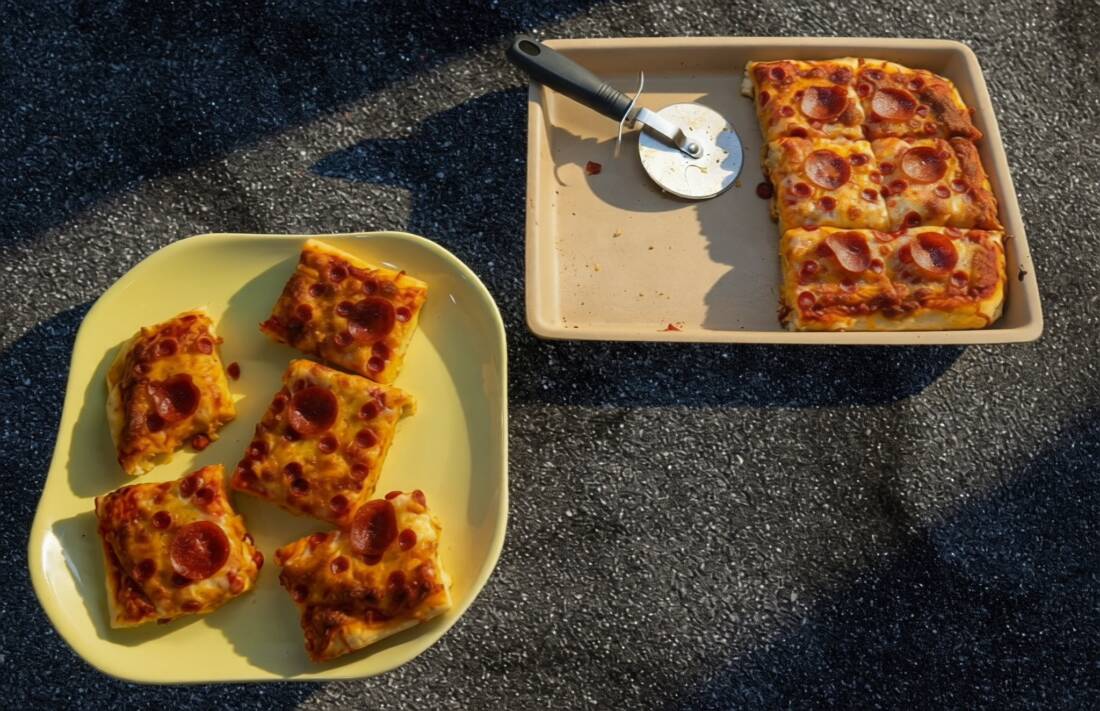
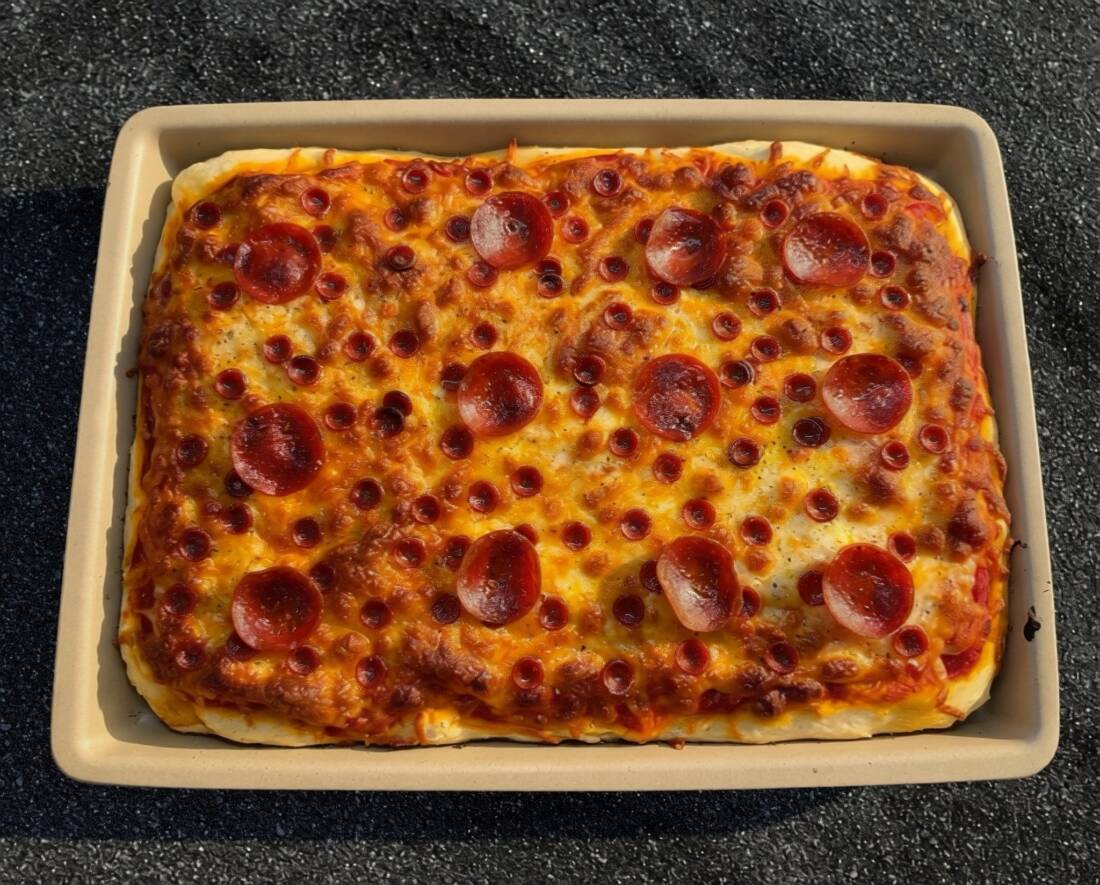
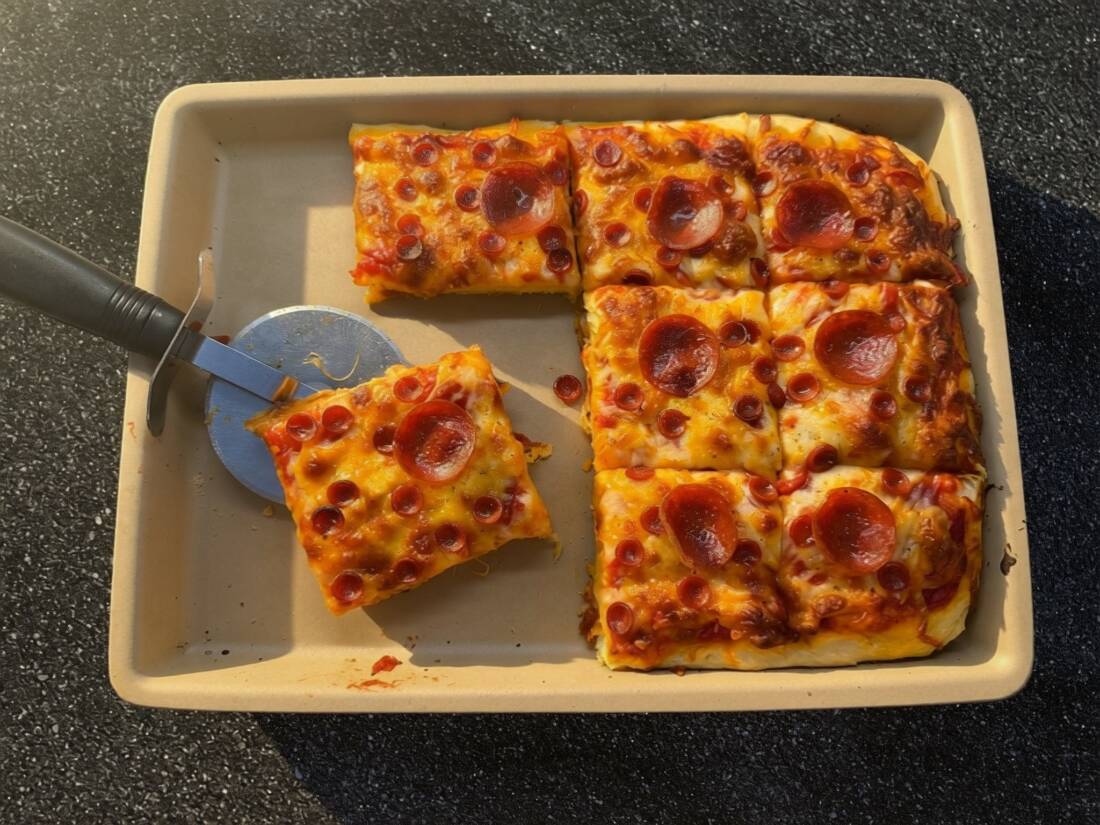
When it came time to build a dish for this feature, it immediately clicked. Between Isaac’s love for bread, Ronnie shouting out Chicago tavern-style pizza, and Dave’s nostalgia for Sicilian slices…It had to be Sicilian pizza. And when do you not take the opportunity to make a Sicilian pizza? There’s something about it that just fits Payload. That thick, airy, almost focaccia-like crust. The way it rises, rests, and comes together over time. It’s a layered, intentional process. Just like the record. I kept it simple but dialed it in: a quick-rise dough using instant yeast (no 18-hour wait this time), lots of good-quality extra-virgin olive oil (don’t skip this—it’s what gives you that crispy bottom), mozzarella, mini pepperoni, and regular pepperoni for texture. Finished with oregano right out of the oven. This pizza was a huge hit in my house with my fellas. So, throw on Payload, let the dough rise, and make a Sicilian that hits just as hard.
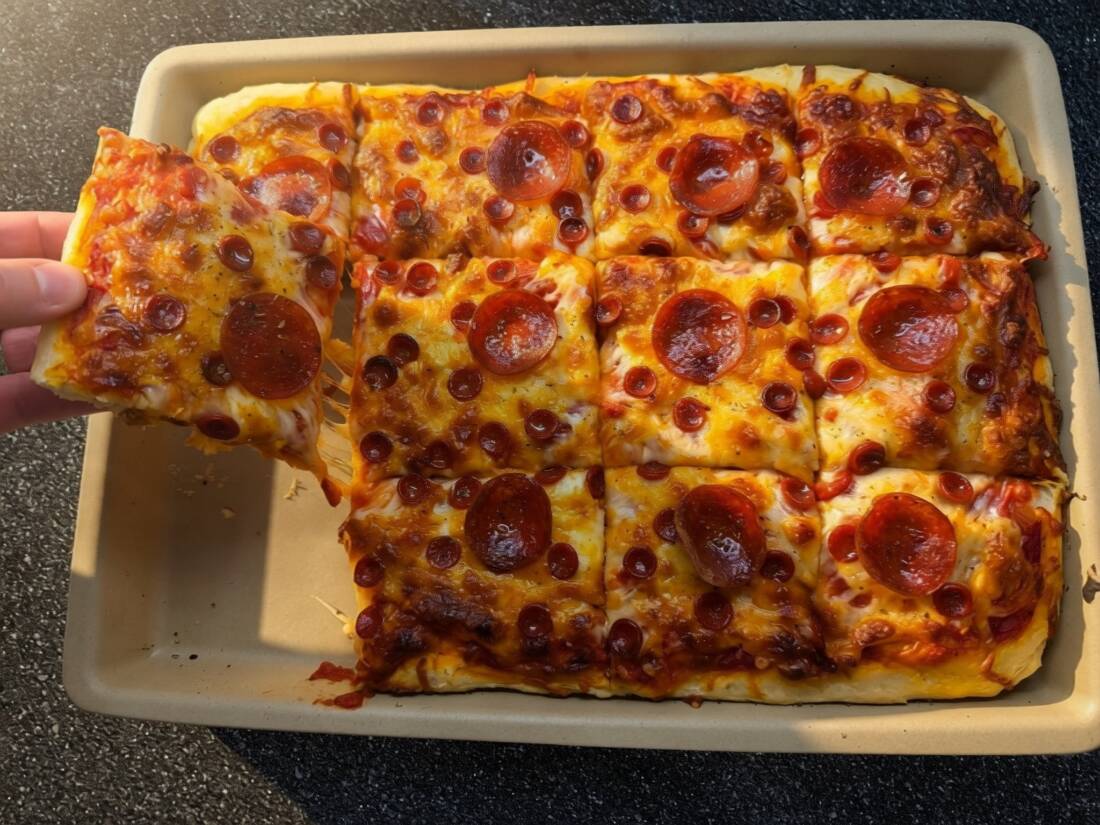
Sicilian Pepperoni Pizza
Ingredients for Dough
- 3 cups bread flour (bread flour works much better for the pizza crust than all-purpose)
- 1 package or 2 teaspoons instant dry yeast
- 1 ½ teaspoon sea salt
- 2 cups warm water (105–110°F)
- 2 tablespoons extra-virgin olive oil
- 4 tablespoons olive oil for the pan and that crispy, almost fried bottom
Ingredients for Sauce
- 1 cup crushed tomatoes
- 2 cloves garlic, grated
- 1 tablespoon extra-virgin olive oil
- Sea salt + pinch sugar
- 1 tablespoon dried oregano
Ingredients for Pizza Toppings
- 3 cups shredded low-moisture mozzarella
- Mini and regular pepperoni (layer for texture + crisp)
- Dried oregano for finish
- Dried red pepper flakes (optional for serving)
- 1/2 cup grated parmesan (optional for serving)
Directions
- In a mixing large bowl, combine flour, yeast, and salt. Add warm water and olive oil, then mix until a sticky, shaggy dough forms. Do not knead the dough. Cover and let rise for 2 hours at room temperature until puffy. If you’ve got time, you can also cover and refrigerate overnight for a deeper flavored dough.
- Generously coat a 9×13 pan with olive oil. Transfer dough to the pan and let it rest for 15 minutes, then gently stretch it toward the edges. Cover and let the dough rise again for 2 hours at room temperature until airy, slightly bubbly and the dough has completely filled the pan.
- Drizzle the top of the dough lightly with olive oil.
- In a separate mixing bowl, combine the crushed tomatoes, garlic, salt, olive oil, oregano and sugar. Let the sauce rest for 15 minutes before building the pizza.
- Now time to build the pizza with 1 cup mozzarella directly on the dough. Then spoon the sauce directly over the top and add the remaining mozzarella. Then add a mix of the mini and regular pepperoni however you like on top of the pizza.
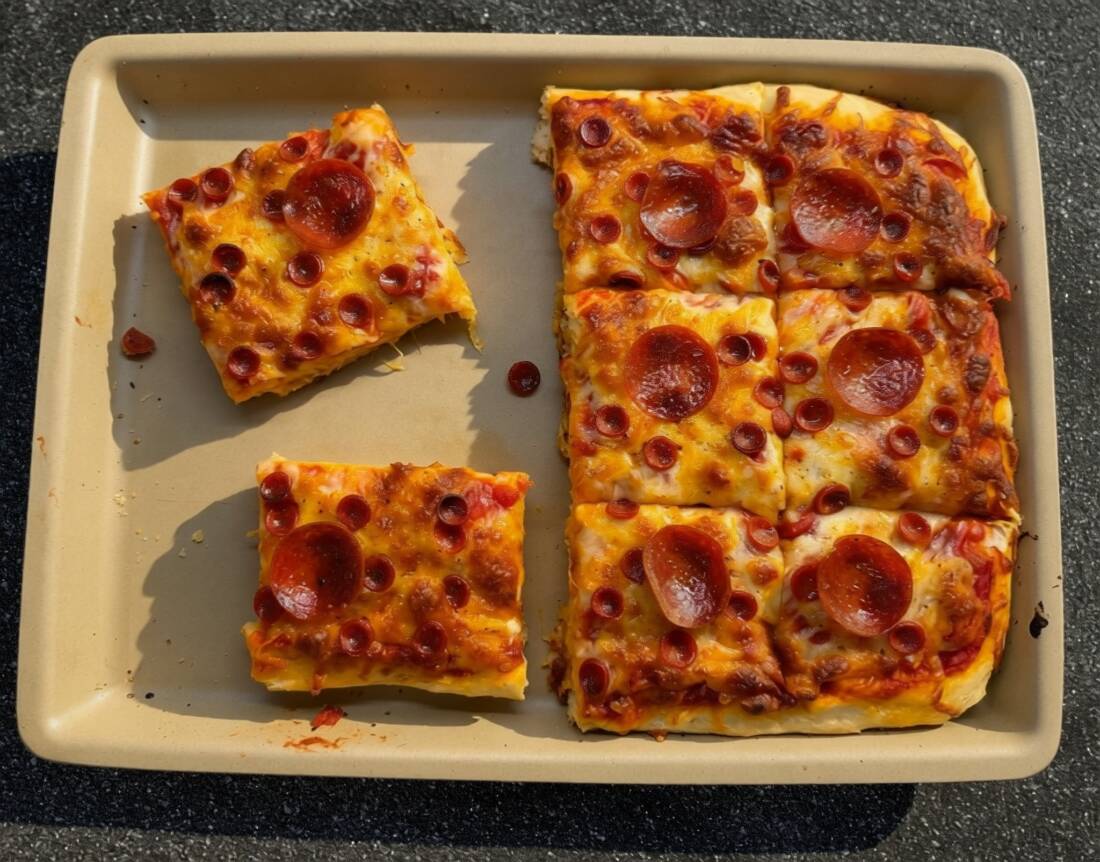
- Bake at 475°F for 20 to 25 minutes, until the bottom of the pizza is golden and crisp. The cheese should be bubbling, and the pepperoni edges have curled and are lightly charred.
- Let the pizza rest for 15 minutes before slicing.
- Top with oregano and grated parmesan. Serve and enjoy!